


Leucine Can Start the Signal. It Cannot Finish the Build Alone.
Leucine, isoleucine, and valine are the three branched-chain amino acids — BCAAs. The familiar 2:1:1 ratio is one of the most commonly used formulations in sports nutrition, but understanding what those amino acids actually do matters more than memorizing the ratio on the label.
BCAAs have one of the best marketing stories in sports nutrition.
Leucine activates anabolic signaling.
Isoleucine and valine participate in amino-acid and energy metabolism.
Put them together in a 2:1:1 ratio and the conclusion sounds obvious:
“This must be the perfect recovery formula.”
The biology is real.
The conclusion needs context.
What Are BCAAs?
The three branched-chain amino acids are:
- Leucine
- Isoleucine
- Valine
All three are essential amino acids, meaning the body cannot synthesize enough of them from scratch and they must ultimately come from food.
They are naturally present in complete dietary proteins including:
- dairy
- meat
- fish
- eggs
- soy
- many mixed plant-protein diets
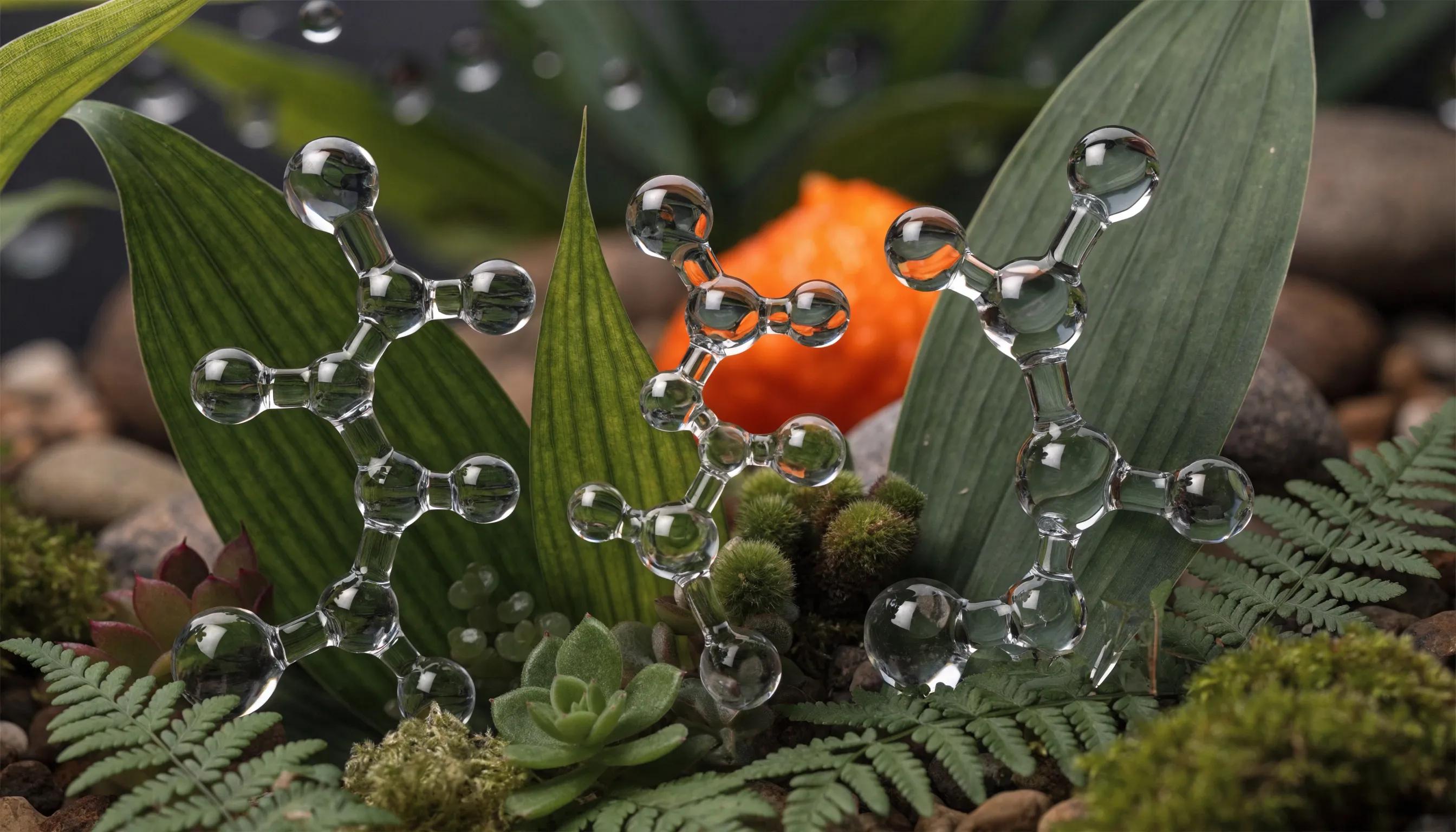
What Does 2:1:1 Actually Mean?
A 2:1:1 BCAA formulation contains:
- 2 parts leucine
- 1 part isoleucine
- 1 part valine
So if a product contains 4 grams of total BCAAs in a true 2:1:1 ratio, the approximate breakdown is:
- Leucine — approximately 2,000 mg
- Isoleucine — approximately 1,000 mg
- Valine — approximately 1,000 mg
ProofMode BCAA Powder
The formula provides 4,000 mg of BCAAs in a 2:1:1 ratio per ½-scoop serving, along with 1,000 mg of L-glutamine and 2.5 mg of vitamin B6.
That makes the formula a useful example of what “2:1:1” actually looks like on a Supplement Facts panel rather than just using the ratio as marketing language.
Fruit Punch
4 g BCAA 2:1:1 + 1 g L-glutamine + vitamin B6 in a Fruit Punch powder.
Explore Fruit Punch →Honeydew Watermelon
4 g BCAA 2:1:1 + 1 g L-glutamine + vitamin B6 in a Honeydew Watermelon powder.
Explore Honeydew Watermelon →“Most Common” Is Not the Same as “Clinically Optimal.”
The 2:1:1 ratio is widely used and gives leucine greater representation than isoleucine and valine. Current evidence does not establish one BCAA ratio as universally superior for every athlete, workout, diet, or recovery goal.
Why Does Leucine Get So Much Attention?
Leucine plays an important signaling role in skeletal-muscle protein metabolism.
In particular, leucine influences the mTOR signaling network involved in regulating muscle protein synthesis.
That is important.
But signaling alone cannot construct an entire new muscle protein.
Leucine Can Ring the Doorbell. The Other Essential Amino Acids Still Have to Show Up.
Muscle protein synthesis requires all the essential amino acids necessary to construct new proteins. BCAAs provide three of the nine essential amino acids — not the entire set.
BCAAs vs Complete Protein: Which Matters More?
If overall protein intake is inadequate, complete protein usually deserves attention before isolated BCAAs.
A complete protein supplies:
- leucine
- isoleucine
- valine
- plus the remaining essential amino acids needed for new protein synthesis
If Protein Is the Bottleneck, Fix Protein.
A BCAA drink cannot compensate for chronically inadequate dietary protein. First decide whether the problem is targeted amino-acid intake or simply not consuming enough complete protein.
Vital Iso
Complete whey isolate when efficient complete-protein intake is the priority.
Vital Pure
A simpler complete whey option when the primary goal is increasing total daily protein.
Vital Root
Plant-based protein for adults who want a dairy-free route to broader amino-acid intake.
Can BCAAs Help With Post-Workout Soreness?
Possibly.
BCAA supplementation has been studied for delayed-onset muscle soreness and markers of muscle damage after strenuous exercise.
Some trials and meta-analyses report modest improvements in soreness or selected muscle-damage biomarkers.
Less Soreness Does Not Automatically Mean Faster Performance Recovery.
Feeling less sore and restoring strength or athletic performance are related but distinct outcomes. BCAA research is more convincing for selected soreness markers than for guaranteed improvements in subsequent performance.
Where Does ProofMode BCAA Powder Fit?
As targeted amino-acid support.
Not as a protein replacement.
Each ½-scoop serving provides:
- 4,000 mg BCAA 2:1:1
- 1,000 mg L-glutamine
- 2.5 mg vitamin B6
The formula can fit around training when someone specifically wants a flavored BCAA + glutamine product without pretending that it replaces a meal, protein shake, or recovery plan.
4 g BCAA 2:1:1 + 1 g L-Glutamine
Choose the flavor you will actually use consistently.
Want More Than BCAAs Alone?
That is where the Performance Pack becomes the broader option.
Performance Pack
The ProofMode Performance Pack combines BCAAs with creatine, carnitine, nicotinamide riboside, cordyceps, and rhodiola for adults who want multiple performance pathways organized together.
Explore the Performance Pack →BCAAs or Creatine?
Different problem.
Different tool.
Vital Forge — Creatine Monohydrate
When the primary goal is strength, power, and repeated high-intensity training capacity, creatine monohydrate has a much deeper evidence base than isolated BCAAs.
Explore Vital Forge →Already Getting BCAAs but Want More Glutamine?
Your BCAA powder already provides 1 gram of L-glutamine per serving.
If isolated glutamine itself is the goal, that is a separate decision.
Vital Rebuild
Vital Rebuild supplies 3.15 g of L-glutamine per serving for adults who specifically want isolated glutamine rather than a BCAA-based product.
Explore Vital Rebuild →What If the Real Recovery Problem Is Hydration?
This gets missed constantly.
Sweat-heavy training can create:
- fluid loss
- sodium loss
- other electrolyte losses
- fatigue
- reduced training quality
Another amino acid will not solve a hydration problem.
Vital Hydrate
Use hydration support when sweat and fluid replacement are the actual bottleneck.
Before Buying Another Recovery Supplement, Find the Bottleneck
Fix complete protein first.
Use the BCAA 2:1:1 powder.
Creatine deserves serious consideration.
Consider the Performance Pack.
Vital Rebuild is the targeted option.
Fix hydration and electrolytes.
Don't Buy Amino Acids Until You Know Which Amino-Acid Problem You're Solving.
Low protein? Fix protein. Want targeted BCAAs? Use BCAAs. Want creatine-supported training capacity? Use creatine. Want isolated glutamine? Use glutamine. Losing sweat? Replace fluids and electrolytes.
Frequently Asked Questions
Is 2:1:1 the best BCAA ratio?
It is the traditional and most commonly used ratio, but current evidence does not establish 2:1:1 as universally superior for every athlete or recovery goal.
How much BCAA is in ProofMode BCAA Powder?
Each ½-scoop serving provides 4,000 mg of BCAAs in a 2:1:1 ratio.
How much leucine is that?
A 4,000 mg 2:1:1 BCAA blend mathematically corresponds to approximately 2,000 mg leucine, 1,000 mg isoleucine, and 1,000 mg valine, assuming the listed ratio describes the entire BCAA blend.
Does it contain glutamine too?
Yes. Each serving also contains 1,000 mg of L-glutamine.
Does it replace protein?
No. BCAAs provide only three essential amino acids. Complete protein supplies all nine essential amino acids required for complete protein synthesis.
Can BCAAs reduce soreness?
Some research suggests modest reductions in delayed-onset muscle soreness or selected muscle-damage markers after strenuous exercise, although effects vary.
Are BCAAs better than creatine?
They address different goals. Creatine has stronger evidence for strength, power, and repeated high-intensity performance. BCAAs provide targeted essential amino acids.
BCAA powder or Performance Pack?
Choose BCAA powder when targeted BCAA + glutamine support is the goal. Consider the Performance Pack when you want BCAAs alongside broader performance ingredients such as creatine, carnitine, NR, cordyceps, and rhodiola.
Signal the Muscle. Still Supply the Building Materials.
A 2:1:1 BCAA formula can be a useful targeted tool. It does not replace complete protein, creatine, hydration, sleep, calories, or progressive training.
The Takeaway
BCAAs are leucine, isoleucine, and valine.
2:1:1 is the classic formulation ratio — not a proven universal optimum.
ProofMode BCAA Powder provides 4 g of BCAAs in a 2:1:1 ratio plus 1 g of L-glutamine per serving.
Leucine plays an important role in anabolic signaling.
Complete protein is still the better first move when total protein intake is inadequate.
BCAAs may modestly reduce soreness or selected muscle-damage markers after strenuous exercise.
Creatine, glutamine, hydration, complete protein, and BCAAs solve different problems.
The Performance Pack provides the broader multi-pathway option when BCAAs are only one part of the goal.
Find the bottleneck. Choose the tool. Don't make one amino acid do six jobs.
This article is for educational purposes only and is not medical advice. Amino-acid and protein needs vary with body size, diet, total protein intake, calorie intake, training volume, age, kidney function, liver function, pregnancy status, medications, and medical conditions. Dietary supplements do not replace adequate food intake, hydration, sleep, progressive exercise programming, or appropriate medical care.


