


Protein Supplement Testing Standards: Why 28% of Popular Powders Failed Independent Lab Verification
The integrity of protein supplements is crucial for consumers who rely on these products for health and fitness. Recent independent lab audits revealed that a concerning 28% of popular protein powders failed to meet rigorous testing standards, raising alarms about ingredient mislabeling and contamination. This article delves into the reasons behind these failures and emphasizes the significance of third-party testing in ensuring product safety. By addressing the common issues that affect protein powder quality and understanding the testing processes, readers can make informed decisions in selecting products that truly deliver on their promises. This guide also highlights how consumers can opt for lab-verified protein supplements, enabling them to bolster their health with confidence.
What causes protein powder label inaccuracies and failures in lab testing?
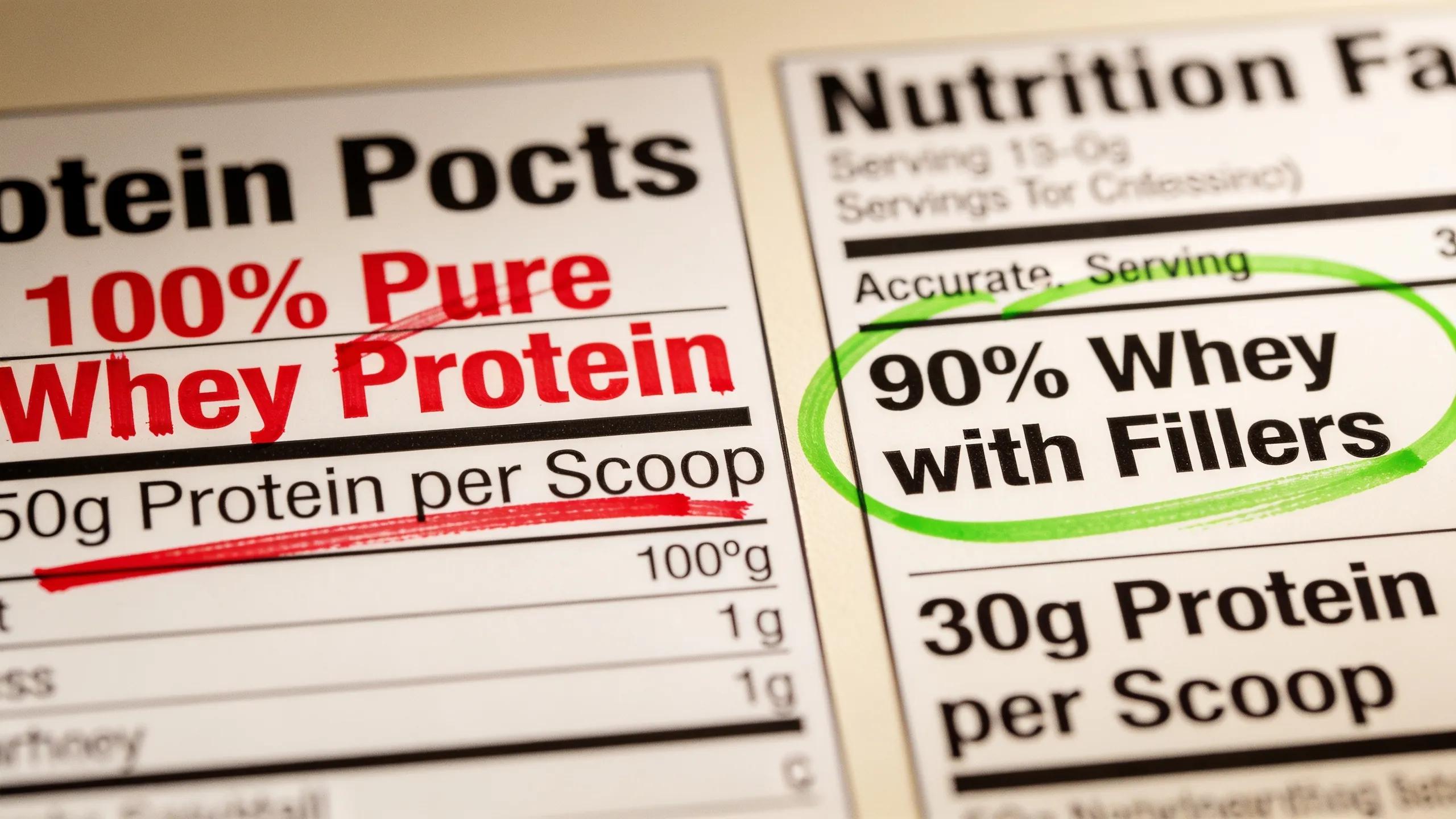
Protein powder label inaccuracies arise due to various factors, leading to potentially misleading information for consumers. One significant cause is ingredient mislabeling, where the contents listed on the product do not accurately reflect what is inside. This can occur from miscommunication in the supply chain or intentional fraudulent activities. Additionally, contamination from other substances during production or handling further complicates the issue. Such inaccuracies not only diminish product efficacy but can also pose health risks to consumers relying on these supplements for dietary needs.
How do ingredient mislabeling and contamination affect protein powder quality?
Ingredient mislabeling and contamination significantly compromise the quality of protein powders. When labels do not accurately represent the product, consumers may unknowingly consume allergens or avoid nutrients they need. For instance, a protein powder marketed as plant-based might contain traces of whey protein, which could cause adverse reactions for those with dairy sensitivities. Moreover, contamination with heavy metals or other harmful substances can lead to severe long-term health issues. Thus, ensuring accurate labeling and contaminant-free products is essential for safeguarding consumer health.
Why is third-party verification essential for supplement quality control?
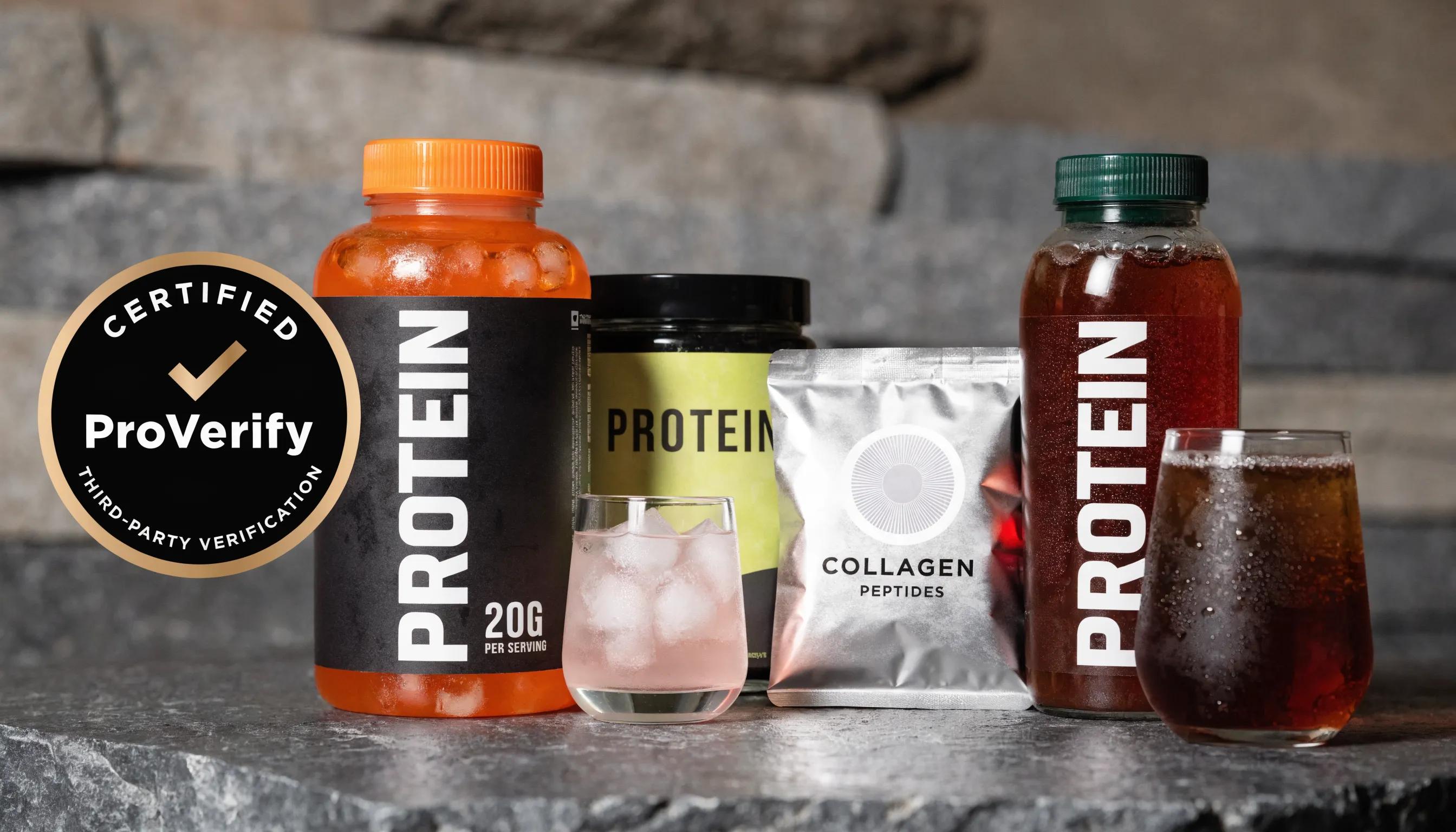
Third-party verification plays a vital role in ensuring that protein supplements meet safety and quality standards. By engaging independent testing labs, manufacturers can validate their claims regarding protein content, ingredient transparency, and absence of harmful contaminants. This process builds consumer trust, as third-party tests provide objective evidence of a product's safety and efficacy. It also promotes a higher level of accountability among manufacturers, encouraging them to adhere to rigorous production standards to avoid negative audit outcomes.
How is independent third-party lab testing performed on protein supplements?
Independent third-party lab testing of protein supplements involves rigorous methodologies to assess product accuracy and safety. This process begins with sample collection, where products are sent to accredited laboratories for analysis. Testing may include verifying the protein content against label claims, checking for the presence of specified ingredients, and identifying any contaminants or undeclared substances. These tests ensure that the products meet established industry standards for safety and efficacy.
What lab verification processes confirm protein powder label accuracy?
Various lab verification processes are used to confirm protein powder label accuracy. Key steps include:
- Protein Quantification: Utilizing methods like Kjeldahl or Dumas to measure total protein content.
- Ingredient Identification: Employing techniques such as mass spectrometry to identify specific amino acids and their amounts.
- Contaminant Testing: Running tests for heavy metals, microbiological contaminants, and allergens.
These processes rigorously assess whether the protein powder meets quality standards and adheres to label claims.
Which certification statuses and attributes signal trustworthy protein supplements?
Several certification statuses and attributes can signal that a protein supplement is trustworthy. These include:
- NSF Certified for Sport: Ensures that products are free from banned substances and meet labeling claims.
- Informed-Sport Certification: Indicates that the product has been tested for substance purity and safety.
- Organic Certification: Confirms that ingredients are grown and processed without synthetic pesticides or fertilizers.
Consumers should look for these certifications when selecting protein powders to ensure quality and safety.
Which popular protein powders passed or failed ProofMode’s independent lab audit?
ProofMode Labs conducted an independent audit of several popular protein powders, revealing notable insights into their quality and safety. The audit tested a diverse range of products, assessing their compliance with label claims and the presence of contaminants. The results demonstrated that while some products passed with flying colors, others failed to meet the stringent standards set by independent testing labs.
| Product | Test Result | Common Issues |
|---|---|---|
| Whey Gold Standard | Pass | None |
| Vegan Protein Blend | Fail | Ingredient mislabeling |
| Muscle Milk | Fail | High levels of contaminants |
| Plant-Based Protein Pack | Pass | None |
This table highlights the audit outcomes, showcasing which products met the necessary criteria. Such findings stress the importance of using lab-verified products to ensure safety and effectiveness.
What percentage of best sellers failed testing and what were the common issues?
Within the audit, it was revealed that approximately 28% of the best-selling protein powders failed testing. Common issues identified included ingredient mislabeling and contamination with heavy metals or other undeclared substances. Such failures underscore the necessity for consumers to investigate the quality of supplements they choose to incorporate into their diets, as mislabeling can lead to both health risks and inadequate nutritional support.
How do label accuracy and contamination detection impact consumer health safety?
Label accuracy and contamination detection are paramount for consumer health safety. When protein powders do not accurately represent their contents, individuals may consume products that do not align with their dietary needs or health conditions. Furthermore, contamination can expose consumers to dangerous substances, leading to significant health issues. Awareness of these factors can empower consumers to select safer, quality-verified protein supplements.
How can consumers choose lab-verified protein supplements for foundational daily wellness?
Choosing lab-verified protein supplements is vital for consumers aiming to maintain their health and wellness. To select quality products, consumers should focus on verification status, ingredient transparency, and brand reputation. By prioritizing these factors, individuals can ensure they are investing in protein powders that not only meet their nutritional goals but also adhere to safety standards.
What are the benefits of selecting ProofMode Verified protein powders?
Choosing ProofMode Verified protein powders offers several key benefits for health-conscious consumers:
- Enhanced Safety: Rigorous independent testing ensures products are free from harmful contaminants.
- Trustworthy Ingredient Claims: Verified products confirm accuracy in labeling, promoting transparency.
- Quality Assurance: Consumers can trust that they are receiving the nutrients they expect without any harmful additives.
These benefits foster confidence in product selection, encouraging healthier lifestyle choices.
How to identify reliable supplement packs targeting specific wellness goals?
Identifying reliable supplement packs requires consumers to evaluate several important aspects:
- Ingredient Transparency: Seek products that list all ingredients clearly and avoid proprietary blends.
- Certification and Testing: Look for third-party testing certifications that confirm safety and quality.
- Brand Reviews: Research consumer reviews and testimonials to assess product efficacy.
By utilizing these criteria, consumers can select supplements that align with their wellness goals and uphold safety standards.


